
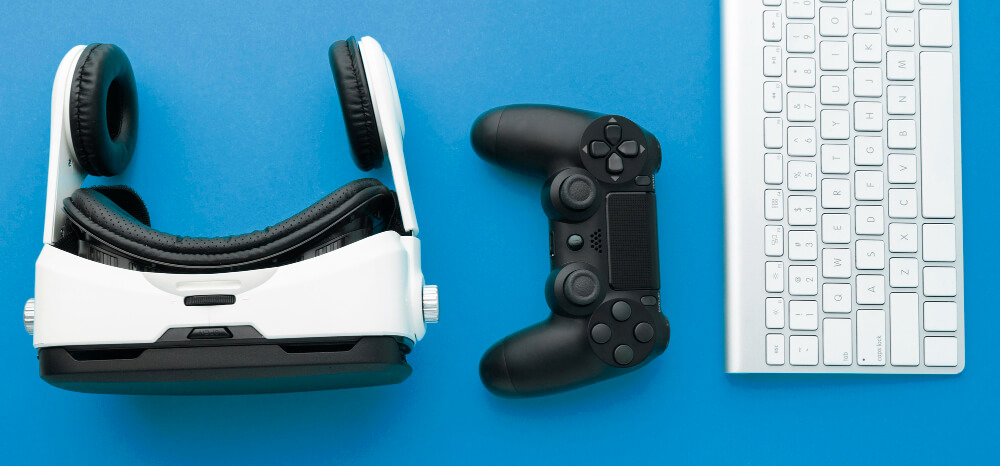
In today’s fast-changing retail landscape, legacy brands like FYE (For Your Entertainment) and structured diet programs like HMR Diet often face questions about their survival. With rumors circulating online about closures and evolving consumer habits, many wonder whether these brands are still relevant. This article explores the history, evolution, and current status of both FYE and HMR Diet, providing clarity for consumers, fans, and prospective users.
History of HMR Diet & FYE
The HMR Diet has been a trusted program in the weight-loss and lifestyle space since the early 1980s. Its approach combines pre-packaged meals, coaching, and behavioral guidance, helping clients make sustainable lifestyle changes. Meanwhile, FYE started as a music and entertainment retailer, originally known for CDs and DVDs. Over the years, it expanded into pop culture merchandise, vinyl records, and collectibles, becoming a go-to destination for fans of movies, music, and entertainment memorabilia. Both brands grew from niche beginnings to widely recognized names, though they now face different challenges in a digital-first world.
FYE Going Out of Business?
Despite rumors suggesting otherwise, FYE is not going out of business. What has occurred is a significant downsizing. Many physical locations have closed due to declining mall traffic, competition from streaming services, and changes in consumer behavior. However, the brand still operates key stores and maintains a digital presence, focusing on vinyl, collectibles, and exclusive merchandise. Similarly, HMR Diet has undergone restructuring but continues to operate under new management, ensuring continuity for its users. The key takeaway is that isolated closures do not equate to total business failure.
What FYE Really Sells Today
FYE has shifted its focus to survive in a competitive entertainment landscape. Today, its offerings include:
Vinyl records and music products for collectors and enthusiasts
Pop culture collectibles, action figures, and memorabilia
Apparel and novelty items tied to movies, music, and video games
Limited edition and exclusive products that attract niche audiences
This evolution shows FYE’s ability to adapt to changing trends, focusing less on traditional CDs and DVDs and more on collectibles and experiences that cannot easily be replicated digitally.
Ownership Changes and Business Evolution
Ownership transitions have played a pivotal role in both brands’ trajectories.“FYE was initially part of Trans World Entertainment, which grew the chain significantly throughout the 1990s and early 2000s.” In 2020, the brand was acquired by Sunrise Records, a Canadian music and collectibles company, which helped stabilize operations and refocus the brand on niche markets. HMR Diet, on the other hand, was acquired by Sanford Health, allowing the weight-loss program to modernize and expand digitally. These changes reflect broader industry trends where strategic acquisitions are used to preserve legacy brands while pivoting toward sustainability.
FYE in the Digital Age
FYE has embraced e-commerce to remain relevant. Its online store now offers exclusive collectibles, vinyl records, and limited-edition merchandise, allowing fans to shop even if local stores have closed. This digital focus complements physical locations and helps FYE reach a wider audience. Similarly, HMR Diet has expanded online offerings, including digital coaching, virtual consultations, and home-delivered meals, ensuring the program remains accessible in 2026. Both brands demonstrate that adapting to a digital-first approach is critical for survival in the modern marketplace.
Lessons From FYE’s Journey
FYE’s journey offers valuable insights for other retailers. Key lessons include:
Adapt to market trends: Shifting from CDs/DVDs to collectibles and vinyl helped FYE stay relevant.
Leverage niche audiences: Focusing on pop culture fans ensures a loyal customer base.
Embrace digital channels: E-commerce provides stability even when physical stores decline.
HMR Diet shows that legacy programs can thrive by integrating technology and maintaining core value propositions, such as structured support and behavioral guidance.
What This Means for Consumers and Prospective Users
For consumers, the current state of FYE and HMR Diet is positive. Fans of FYE can still find collectibles, music, and exclusive merchandise, while diet program participants can access HMR digitally from anywhere. The key is understanding that closures of individual locations or offices do not reflect a full business shutdown. Both brands are focusing on quality, accessibility, and specialized offerings to meet evolving consumer needs.
Future Prospects of FYE
Looking ahead, FYE appears poised to remain relevant in its niche market. By leveraging online sales, exclusive products, and collectible offerings, the brand can maintain profitability even with a smaller physical footprint. HMR Diet’s continued emphasis on digital tools, coaching, and meal delivery indicates a bright future for users seeking structured, sustainable weight-loss solutions.
Conclusion
In conclusion, neither FYE nor HMR Diet is “going out of business” in the full sense. Both have adapted to changing markets, downsized where necessary, and embraced digital solutions to serve their audiences better. While physical locations may be fewer, their legacy, expertise, and loyal customer bases remain intact. For consumers, fans, and prospective users, this means continued access to quality products, services, and programs well into 2026 and beyond.