


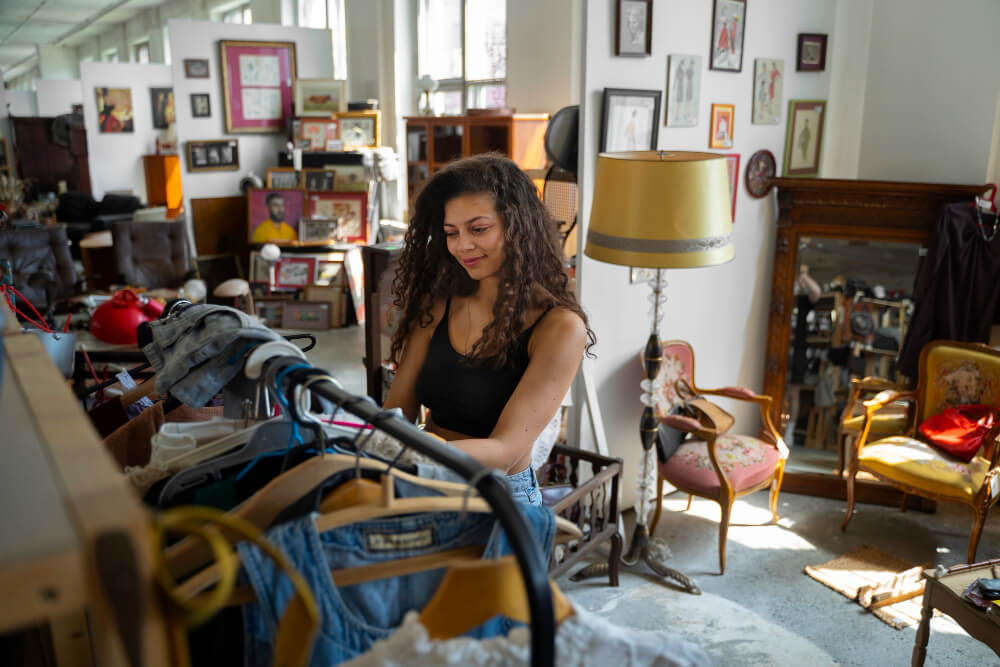
Savers has long been a go-to destination for thrift shoppers and bargain hunters looking for quality secondhand goods at affordable prices. Over the years, the brand has built a reputation for offering a wide range of donated clothing, shoes, home goods, and more while supporting local nonprofits. Recently, rumors have spread online questioning whether Savers is going out of business. Understanding the truth behind these claims requires a closer look at the company’s history, business model, and current performance.
A Little Background About Savers
Savers was founded in the 1950s and has grown into one of the largest thrift store chains in North America. With hundreds of locations across the United States and Canada, the company has served millions of customers seeking discounted secondhand items. Savers works closely with nonprofit organizations, allowing them to raise funds through donations while Savers profits from reselling these goods. This partnership has made Savers a unique player in the retail industry and a familiar name for thrift enthusiasts.
Savers Going Out of Business
Despite the recent rumors, Savers is not officially going out of business. Some of these claims have been fueled by isolated store closures, online chatter, or local financial struggles in specific markets. While Savers, like any large retailer, may occasionally close underperforming stores, the brand itself continues to operate nationwide. There is no official announcement from company leadership indicating a full-scale shutdown, and customers can still find Savers stores open and fully stocked.
What Is Savers’ Main Business?
Savers’ main business revolves around collecting and reselling donated goods. The company partners with nonprofits to gather clothing, shoes, accessories, home items, and more. After items are sorted, inspected, and cleaned, they are sold in Savers stores at affordable prices. In return, the nonprofits receive compensation for the items collected, helping fund charitable activities. This business model combines retail operations with social impact, appealing to shoppers who want to support local causes while finding great deals.
How Is Savers Performing as a Business?
Savers has maintained steady performance over the years, benefiting from the growing popularity of thrift shopping and sustainable consumer trends. The company continues to expand its presence in key markets while leveraging its unique nonprofit partnerships to secure a steady supply of products. However, like all retailers, Savers faces challenges from economic fluctuations, changing shopping habits, and competition from both traditional retailers and online resale platforms. Overall, the company remains financially viable and operationally stable.
Challenges Facing Savers in the Thrift Store Industry
Operating a thrift store chain comes with several challenges. Savers must manage inventory that is highly variable, with donations differing in quantity, quality, and style. Supply chain disruptions, rising labor costs, and changing consumer preferences also impact operations. Additionally, the growing popularity of online resale platforms like Poshmark, eBay, and Facebook Marketplace has increased competition for secondhand goods. Despite these hurdles, Savers continues to adapt and remain a trusted destination for bargain shoppers.
How Savers Competes With Other Secondhand Retailers
Savers competes effectively by offering a wide variety of products under one roof, combining the convenience of a physical store with a strong nonprofit partnership model. Unlike individual sellers or smaller thrift stores, Savers provides a consistent shopping experience with clean, organized stores and predictable pricing. The brand also invests in marketing campaigns and loyalty programs to attract repeat customers, helping it stay competitive in a crowded resale market.
What Makes Savers Different From Other Thrift Stores?
Savers stands out from other thrift stores primarily through its nonprofit partnerships and national reach. While many thrift stores operate on a purely local level, Savers offers a large-scale platform for donations and resale. Their partnership model ensures that a portion of every transaction helps fund charitable causes, appealing to socially-conscious consumers. Additionally, Savers invests in store presentation, product quality, and staff training, giving it a professional retail feel compared to traditional thrift shops.
What Customers Should Know About Savers Today
Customers looking to shop at Savers can rest assured that the brand remains fully operational. Stores are open across the country, offering a wide selection of secondhand clothing, home goods, and seasonal items. While some locations may close occasionally for operational reasons, these closures are normal business adjustments and do not indicate a nationwide shutdown. Shoppers can also find updated store hours and locations online or through the Savers app.
Future Prospects of Savers
Looking ahead, Savers appears well-positioned to thrive in the growing resale and sustainable retail market. With increased consumer interest in eco-friendly shopping, thrift stores like Savers are likely to see continued demand. The company may further expand its store footprint, improve online presence, and strengthen partnerships with nonprofits to ensure a reliable product supply. As long as it adapts to market trends and maintains its social impact model, Savers is expected to remain a key player in the thrift industry.
Conclusion
While rumors about Savers going out of business have circulated online, the reality is that the company is still active and operating across North America. With a strong nonprofit partnership model, a steady supply of donated goods, and a loyal customer base, Savers continues to provide affordable secondhand items while supporting charitable causes. For shoppers, this means that Savers remains a safe, reliable, and socially-conscious option for thrift shopping now and into the future.